Micronutrients: The Essential Vitamins & Minerals
Understanding the critical roles vitamins and minerals play in maintaining physiological function and long-term health.
Beyond Calories
While macronutrients provide energy and structural building blocks, micronutrients—vitamins and minerals—are the cofactors that enable countless biochemical processes. Without adequate micronutrient intake, your body cannot effectively utilize macronutrients or perform essential functions.
Micronutrient deficiencies can develop silently, causing fatigue, weakened immunity, cognitive fog, and eventually more serious health consequences. Conversely, adequate micronutrient status supports robust health, energy, mental clarity, and resilience.
Fat-Soluble Vitamins (A, D, E, K)
Vitamin A
Functions: Vision, immune function, skin health, cell growth. Sources: Liver, eggs, dairy, carrots, sweet potatoes, spinach. Note: Your body can convert beta-carotene from plant sources into vitamin A, but conversion efficiency varies among individuals.
Vitamin D
Functions: Calcium absorption, bone health, immune regulation, mood. Sources: Fatty fish, egg yolks, fortified dairy, sunlight exposure. Note: Many people have insufficient vitamin D, especially in northern latitudes or with limited sun exposure. Blood testing can determine individual status.
Vitamin E
Functions: Antioxidant protection, cellular health. Sources: Nuts, seeds, vegetable oils, leafy greens. Most people obtain adequate vitamin E through diet.
Vitamin K
Functions: Blood clotting, bone metabolism. Sources: Leafy greens (kale, spinach), cruciferous vegetables, fermented foods. Important: If you take blood-thinning medications, consult your healthcare provider about vitamin K intake.
Water-Soluble Vitamins (B Complex & C)
B Vitamins
B vitamins function as coenzymes in energy metabolism, nervous system function, and DNA synthesis. Individual B vitamins include:
- B1 (Thiamine): Energy metabolism. Sources: whole grains, pork, legumes.
- B2 (Riboflavin): Energy production, cell growth. Sources: eggs, almonds, mushrooms.
- B3 (Niacin): DNA repair, metabolism. Sources: chicken, tuna, turkey, peanuts.
- B5 (Pantothenic Acid): Hormone and cholesterol production. Sources: mushrooms, avocado, eggs.
- B6: Protein metabolism, neurotransmitter synthesis. Sources: chickpeas, salmon, potatoes.
- B7 (Biotin): Hair, skin, nail health. Sources: eggs, almonds, sweet potatoes.
- B9 (Folate): DNA synthesis, cell division. Sources: leafy greens, asparagus, legumes. (Especially important for women of childbearing age.)
- B12 (Cobalamin): Nerve function, red blood cell formation. Sources: animal products primarily. Vegans and vegetarians should consider supplementation or fortified foods.
Vitamin C
Functions: Collagen formation, immune support, antioxidant protection, iron absorption. Sources: Citrus fruits, berries, bell peppers, broccoli, tomatoes. Note: Vitamin C is fragile and degraded by heat and time; fresh or lightly cooked sources provide the most benefit.
Essential Minerals
Iron
Functions: Oxygen transport in blood, energy production. Sources: Red meat, poultry, fish, legumes, fortified grains. Note: Heme iron (from animal sources) is more bioavailable than non-heme iron (from plant sources), but consuming vitamin C with non-heme iron sources enhances absorption.
Calcium
Functions: Bone and teeth structure, nerve transmission, muscle contraction. Sources: Dairy, leafy greens, fortified plant-based alternatives, canned fish with bones. Important: Calcium absorption requires adequate vitamin D status.
Magnesium
Functions: Muscle and nerve function, energy production, sleep regulation. Sources: Leafy greens, nuts, seeds, whole grains, dark chocolate. Note: Many people have insufficient magnesium intake.
Potassium
Functions: Heart rhythm, blood pressure regulation, nerve function. Sources: Bananas, potatoes, avocados, beans, spinach. Important: If you have kidney disease or take certain medications, consult your healthcare provider about potassium intake.
Zinc
Functions: Immune function, wound healing, protein synthesis. Sources: Oysters, beef, pumpkin seeds, cashews, chickpeas.
Selenium
Functions: Antioxidant protection, thyroid function. Sources: Brazil nuts, seafood, eggs, whole grains.
Iodine
Functions: Thyroid hormone production, metabolism regulation. Sources: Iodized salt, seafood, dairy, eggs. Note: Iodine deficiency can cause thyroid dysfunction; however, excessive intake should also be avoided.
Achieving Micronutrient Adequacy
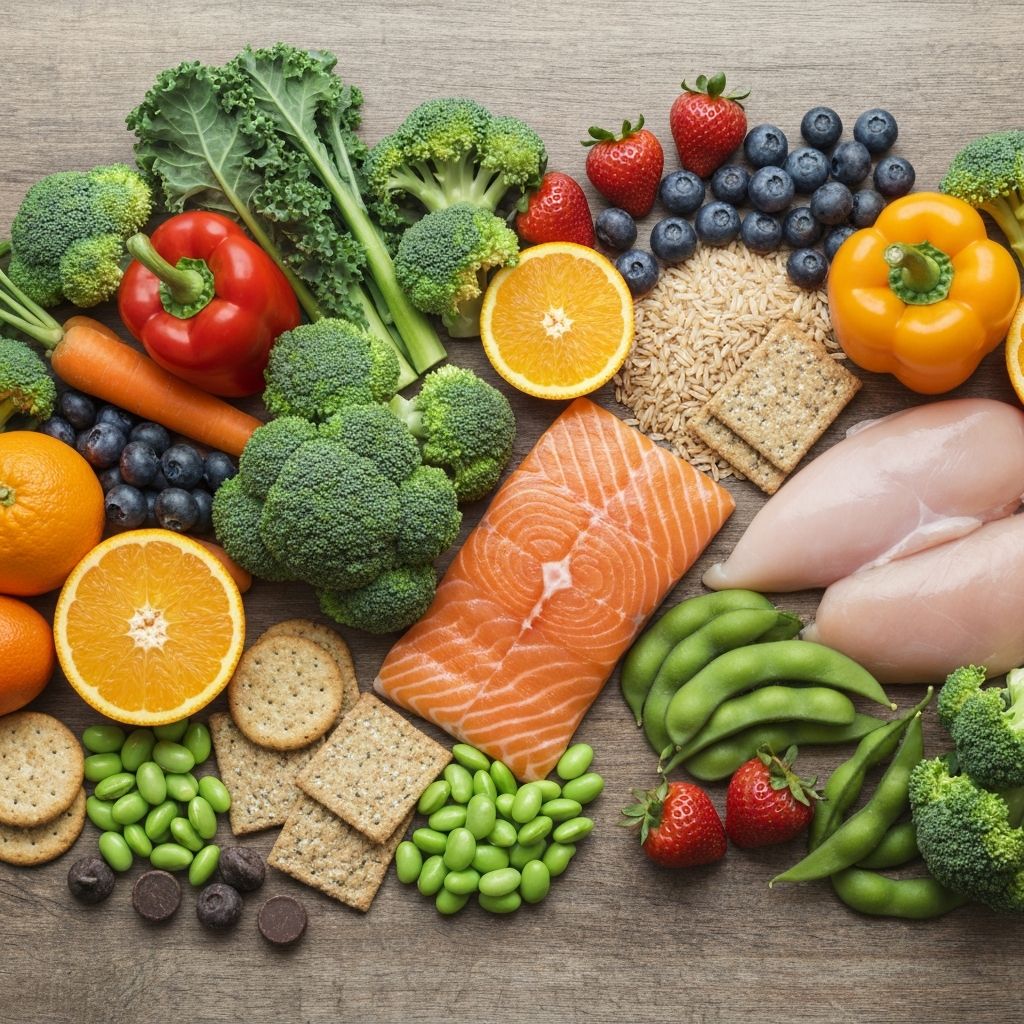
The most effective approach to meeting micronutrient needs is consuming a wide variety of whole foods—vegetables, fruits, whole grains, proteins, legumes, and healthy fats. Different foods provide different micronutrient profiles; dietary diversity ensures broader coverage.
For specific micronutrient concerns or deficiencies, blood testing can identify gaps. Some populations (pregnant women, vegans, older adults, those with certain health conditions) may benefit from targeted supplementation under professional guidance.
Educational Context
This article explains micronutrient science. It is not personalized nutritional advice. Individual micronutrient needs vary based on age, sex, health status, medications, and lifestyle. Consult a healthcare professional or registered dietitian for personalized guidance.